1. Quick call, clear plan
You tell the team what was found and where. It explains how the sweep will go and what access it needs.
Cranford, NJ · Union County
How do you get rid of used needles safely in Cranford? Call (877) 812-4220 to talk through sharps collection, disposal containers and a final walk-through to check nothing was missed.
If anyone is in danger, call 911 first. For a suicide crisis, call or text 988.
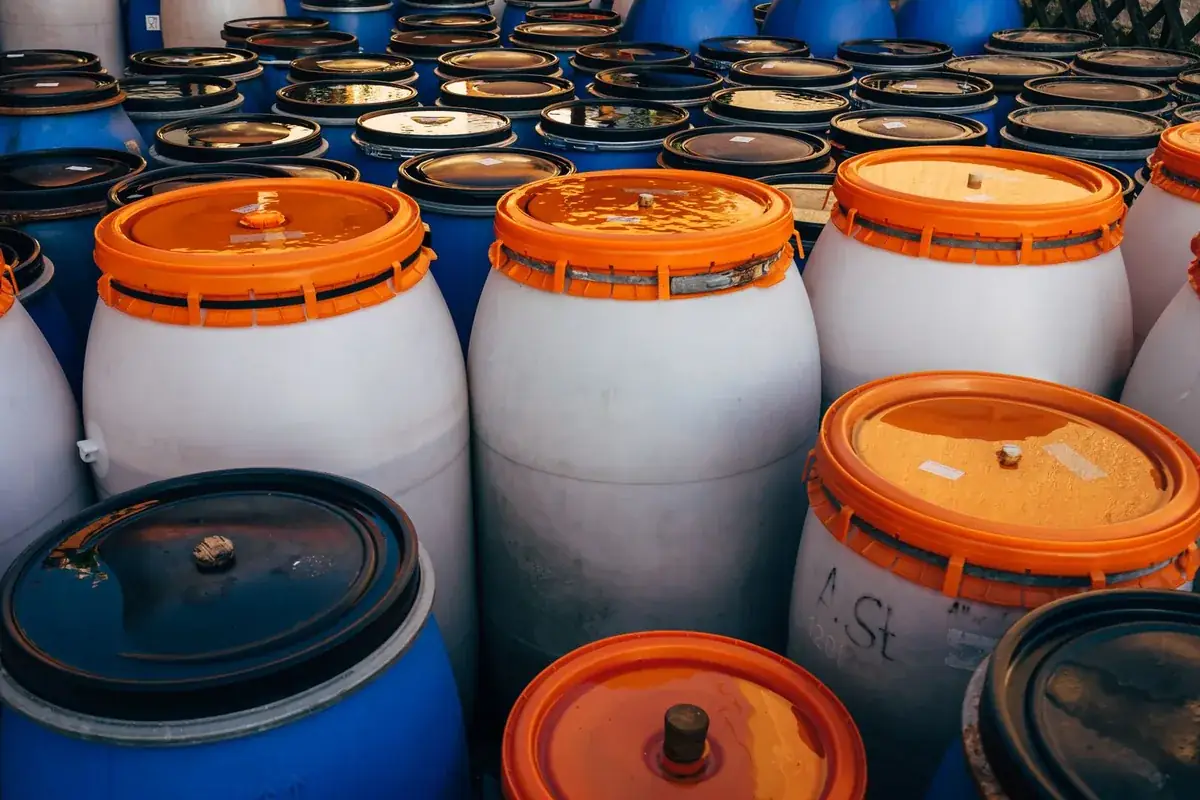
Syringe cleanup removes used needles from places where they should not be and treats the surfaces they touched. The sharps are collected, sealed and hauled away as regulated medical waste.
You will not be judged when you call Cranford Biohazard Cleanup Help about needles in Cranford or Union County. Crews focus on making the property safe and on disposing of sharps properly, following the rules for regulated medical waste.
With roughly 65% of Cranford households renting, turnover is common and units are checked between tenants. If anyone is stuck by a needle, the nearest emergency room is Robert Wood Johnson University Hospital at Rahway in Rahway, about 4 miles from Cranford. Call 911 in an emergency.
What needle & sharps cleanup covers:
You tell the team what was found and where. It explains how the sweep will go and what access it needs.
Crews put on protective gear and search the whole area, including corners, drawers and under furniture.
Everything is hauled off as regulated waste. Nothing is thrown out with household trash.
After the last walk-through, the owner can reopen the area to tenants, customers or family.
The cost of needle & sharps cleanup in Cranford, NJ depends on the amount of material, how it is packed and how it is hauled.
Records and documentation for a landlord, insurer or city office can add a little time, so ask for them when you call.
| Type of job | Typical range |
|---|
Figures are planning ranges from , not a price for any specific Cranford property. Price drivers include number of items, where they are found, whether a sweep of a large area is needed, waste disposal. Call (877) 812-4220 any hour.
The crew searches the whole area with protective gear and tools. It collects each sharp into a puncture-resistant container, cleans surfaces where sharps lay, and hauls the sealed containers away. A final walk checks that nothing was missed, and the team can provide a record.
They can be tucked into couch cushions, mattress seams, drawers, vents and ceiling tiles. That is why a sharps sweep covers more than the floor. Crews check hidden spots with tools and light before declaring a room clear.
A used needle can carry bloodborne pathogens such as hepatitis B, hepatitis C and HIV. The chance of infection from one stick depends on many things, and a doctor can explain what applies. Get medical care promptly after any stick or cut.
No. Crews focus on safety and cleanup, not on why the needles are there. The team asks only what it needs to plan the work, and you decide what else to share.
Safer options exist. Many cities and health departments have programs for found needles and may give instructions or send someone. If you are unsure, do not touch it. Leaving a needle in place and keeping others away is safer than risking a stick.
The crew cleans and disinfects surfaces where sharps lay, bags soiled items for disposal and checks the area again. If odor or residue is present, the team can address it or suggest the next step.
Do not pick it up. Call and let a cleanup team remove it safely.
Call (877) 812-4220